I love reading The Economist. Each time I go to the website, I finish one article and compulsively seek for another, wanting to keep cycling through whatever it is I'm getting out of reading about the world. One moment I'm reading about how Barack Obama won't be making a decision on Syria until he asks Congress about it, the next moment I'm reading about why Americans don't ride trains; then I'm on to reading about how Russia continues to distance itself from the West, and then I finish up with an obituary of Seamus Heaney.
The strange thing about it all is that it feels like what I'm doing has some sort of vital importance. Obviously, there are many ways I could be spending my time that aren't as constructive, but I'm sort of puzzled as to why I feel like when I learn about current events I'm building character or doing something... momentous? I can't quite put my finger on the feeling.

Because when it comes down to it, I'm actually not doing anything. What does reading about events, or reading a specific journalist's take on a particular event, translate to in practical terms? What does awareness actually accomplish in the long run? I figure more than a few people remember last year's viral Kony 2012 video, which, from what I gather, made sure that internet users knew about Joseph Kony-- who he is, what he's been doing, why he's a very bad man. It's true that lots more people know about Kony now because of that video. I myself had never heard of him before the video blew up. But regardless of the fact that tons more people, me included, know that Kony is a very bad man, Kony is still doing his thing. (Incidentally, if anyone wants to read more about the crazy debate that sprung up over the video, check out this Wiki article.)
But it felt right, right? It seemed wrong not to know. But now that we know, nothing in practical terms has changed. Forget about Kony now (he's not really what this post is about) and connect the principle to reading the news. What advantage is there to being informed about stuff happening in the world?
Sometimes I feel like all being informed does is help form bad opinions. Because most of the time, we're not fully informed on a topic or issue. This is where those aggravating, nauseating, pseudo-intellectual debates on social media spring from. Maybe I just can't look away--you've all heard of the term "horrified fascination"--but I've delved into the shadowy world of the comments sections, and it is not pretty. Doesn't really matter what type of piece it is, news article, blog post, oped, you name it, people have something to say. Shudder. I don't know if I've ever written about this, or if the idea is even originally mine, but I have this theory that the advent of the internet is remarkably similar to the invention of the printing press. Both inventions made it a heck of a lot easier for people to publish what's on their mind, try their hand at a little word composition and get it out there in the public forum. A great blessing for a lot of people, but also a curse of epic proportions. Freedom/magic comes with a price, and in the internet's case, that price is publishing power for anything and everything that might come across someone's mind on a given topic.
Anyway-- I got a little off-track there, but my point is that it's not always clear to me what advantage there is to knowing what's going on in the world. I once heard a professor say that a well-informed citizenry is the best defense against many of the world's problems. I want to believe that; it sounds right.
But sometimes I get bogged down with this sort of idea: I now know that India's economic growth has been slowing down. Now what? Did learning that, and a whole bunch of other things happening in the world, help me solve that problem? Did it help me get a job? (No.) Did it help me be a better friend and family member? Did it help me be a better student? (Maybe?) Perhaps the most important question, did it make any sort of difference? Any difference at all?
A couple years ago I read some Tolstoy. Tolstoy was a fairly influential dude, and he influenced my thinking in this matter, too. In War and Peace Tolstoy asks some big questions, questions like what kind of difference can one man or woman make in history. That's what the news is, right? History. That's what current events are. Just history playing itself out in front of us. Reading the news is reading history as it happens. Well, Tolstoy presents kind of a paradoxical answer, because he basically says that no one person can influence big historical events, but that the sum total of everything everyone has done, is doing, or will do is what makes history happen. So no one calls the shots, yet everything you do is part of what makes the big things happen. The macrocosm is sort of untouchable, except that it's composed of all of the different microcosms out there. The bottom line is that Tolstoy thinks what you should do is keep your nose out of the big picture and just be the best person you can in your immediate sphere, because that's the only place where you can make an appreciable difference. For Tolstoy, Napoleon didn't move history; he was swept along by the current of history and was just along for the ride. Instead, the movers and shakers of history are the kind, small people that improve the lives of those around them.
I find a lot in that philosophy which is true. Certainly the bit about doing what you can where you are. Kind of a Candide-esque, "we must cultivate our garden" conclusion. Despite that, when I think about reading the news--oh, and let me get something straight right here and right now. When I say news... I mean as straight-talking and unbiased as possible. No Fox news for me, no MSNBC for me, not even CNN really. Can't stand that partisanship. Anyway-- when I think about reading the news, I still get that sort of "correct" impression-- like it's the right thing to do. Since I'd like to wrap this up, here are some suggestions why it seems like knowing stuff not immediately around you is good.
There's a sense of interconnectedness that most of humanity yearns for, I think. I know I do. I think that there's also a kind of solidarity that comes from collective and shared understanding (even if it is imperfect, biased, and merely empathetic at best). Reading about the world and knowing what's happening helps fulfill this need for connectedness and fosters that solidarity with our fellow human beings. I'd also like to believe that, when done correctly, reading the news and learning about the bigger world can increase empathy and even charity. I think it's been said somewhere (not my original idea) that before you can really love someone, you have to get to know them first. Since love is the ultimate good thing, we need to increase our knowledge in order to increase our capacity to love.
It's not all rosy though. Sometimes we learn ugly things, things that don't seem to have a redemptive quality. Yet people seem to think that there are some things that all people must know, and which must never be forgotten. The Holocaust (or Shoah, if I must) is one of those things. A stain on our collective memory, but a stain that must never be covered up. Why? Because knowing is, in this case, a preventative measure. Just knowing about it will help protect us from its recurrence. Apparently there is power in just knowing something happened. That way it won't ever blindside you, and you can fight it wherever you see it, in others or in yourself.
I'm probably missing all sorts of reasons why keeping up on current events is good, but I think I'll finish with the off chance that some special individual will become passionate about an issue-- somebody who not only gets excited about something (that's the easy part-- the world has amateurs and enthusiasts in spades), but who has the talent and energy to actually contribute.
For now, I don't know how I can contribute other than in my own microcosm, Tolstoy-style. But I'll still keep reading about the world for all those other reasons.
The strange thing about it all is that it feels like what I'm doing has some sort of vital importance. Obviously, there are many ways I could be spending my time that aren't as constructive, but I'm sort of puzzled as to why I feel like when I learn about current events I'm building character or doing something... momentous? I can't quite put my finger on the feeling.

Because when it comes down to it, I'm actually not doing anything. What does reading about events, or reading a specific journalist's take on a particular event, translate to in practical terms? What does awareness actually accomplish in the long run? I figure more than a few people remember last year's viral Kony 2012 video, which, from what I gather, made sure that internet users knew about Joseph Kony-- who he is, what he's been doing, why he's a very bad man. It's true that lots more people know about Kony now because of that video. I myself had never heard of him before the video blew up. But regardless of the fact that tons more people, me included, know that Kony is a very bad man, Kony is still doing his thing. (Incidentally, if anyone wants to read more about the crazy debate that sprung up over the video, check out this Wiki article.)
But it felt right, right? It seemed wrong not to know. But now that we know, nothing in practical terms has changed. Forget about Kony now (he's not really what this post is about) and connect the principle to reading the news. What advantage is there to being informed about stuff happening in the world?
Sometimes I feel like all being informed does is help form bad opinions. Because most of the time, we're not fully informed on a topic or issue. This is where those aggravating, nauseating, pseudo-intellectual debates on social media spring from. Maybe I just can't look away--you've all heard of the term "horrified fascination"--but I've delved into the shadowy world of the comments sections, and it is not pretty. Doesn't really matter what type of piece it is, news article, blog post, oped, you name it, people have something to say. Shudder. I don't know if I've ever written about this, or if the idea is even originally mine, but I have this theory that the advent of the internet is remarkably similar to the invention of the printing press. Both inventions made it a heck of a lot easier for people to publish what's on their mind, try their hand at a little word composition and get it out there in the public forum. A great blessing for a lot of people, but also a curse of epic proportions. Freedom/magic comes with a price, and in the internet's case, that price is publishing power for anything and everything that might come across someone's mind on a given topic.
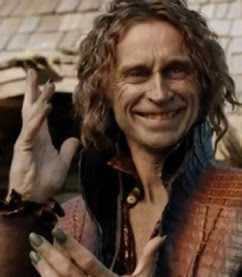 |
| Giving the masses a voice comes with a price, dearie. |
Anyway-- I got a little off-track there, but my point is that it's not always clear to me what advantage there is to knowing what's going on in the world. I once heard a professor say that a well-informed citizenry is the best defense against many of the world's problems. I want to believe that; it sounds right.
 |
| Mulder and I want to believe |
A couple years ago I read some Tolstoy. Tolstoy was a fairly influential dude, and he influenced my thinking in this matter, too. In War and Peace Tolstoy asks some big questions, questions like what kind of difference can one man or woman make in history. That's what the news is, right? History. That's what current events are. Just history playing itself out in front of us. Reading the news is reading history as it happens. Well, Tolstoy presents kind of a paradoxical answer, because he basically says that no one person can influence big historical events, but that the sum total of everything everyone has done, is doing, or will do is what makes history happen. So no one calls the shots, yet everything you do is part of what makes the big things happen. The macrocosm is sort of untouchable, except that it's composed of all of the different microcosms out there. The bottom line is that Tolstoy thinks what you should do is keep your nose out of the big picture and just be the best person you can in your immediate sphere, because that's the only place where you can make an appreciable difference. For Tolstoy, Napoleon didn't move history; he was swept along by the current of history and was just along for the ride. Instead, the movers and shakers of history are the kind, small people that improve the lives of those around them.
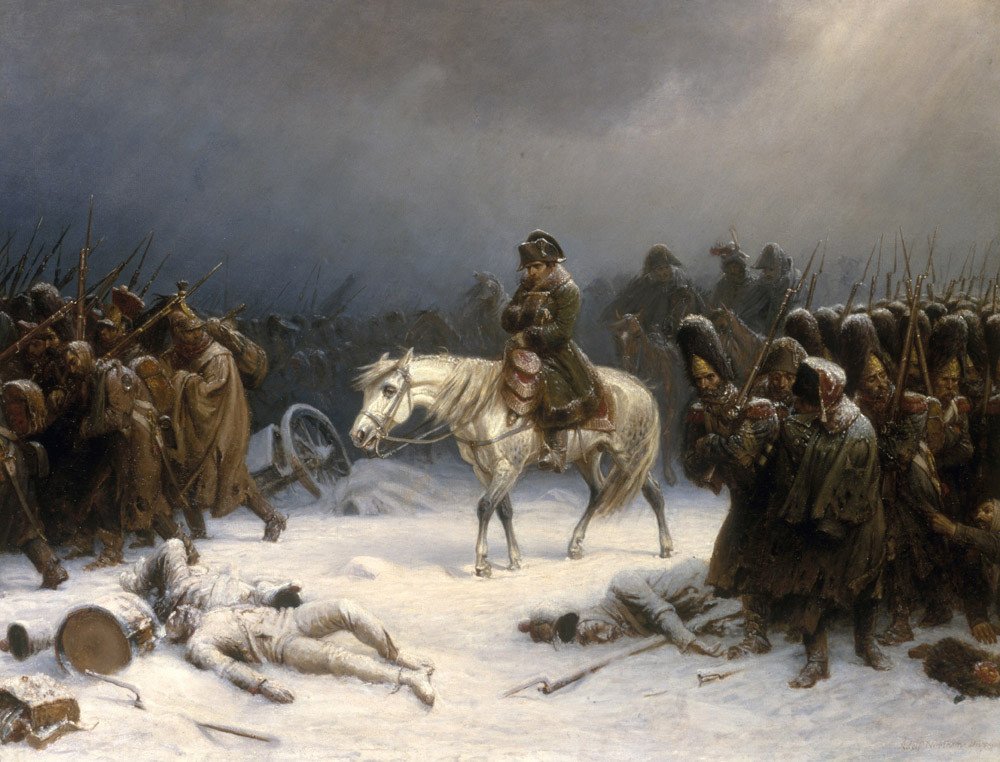 |
| "What are you gonna do today, Napoleon?" "Whatever I feel like I wanna do. Gosh!" |
There's a sense of interconnectedness that most of humanity yearns for, I think. I know I do. I think that there's also a kind of solidarity that comes from collective and shared understanding (even if it is imperfect, biased, and merely empathetic at best). Reading about the world and knowing what's happening helps fulfill this need for connectedness and fosters that solidarity with our fellow human beings. I'd also like to believe that, when done correctly, reading the news and learning about the bigger world can increase empathy and even charity. I think it's been said somewhere (not my original idea) that before you can really love someone, you have to get to know them first. Since love is the ultimate good thing, we need to increase our knowledge in order to increase our capacity to love.
It's not all rosy though. Sometimes we learn ugly things, things that don't seem to have a redemptive quality. Yet people seem to think that there are some things that all people must know, and which must never be forgotten. The Holocaust (or Shoah, if I must) is one of those things. A stain on our collective memory, but a stain that must never be covered up. Why? Because knowing is, in this case, a preventative measure. Just knowing about it will help protect us from its recurrence. Apparently there is power in just knowing something happened. That way it won't ever blindside you, and you can fight it wherever you see it, in others or in yourself.
I'm probably missing all sorts of reasons why keeping up on current events is good, but I think I'll finish with the off chance that some special individual will become passionate about an issue-- somebody who not only gets excited about something (that's the easy part-- the world has amateurs and enthusiasts in spades), but who has the talent and energy to actually contribute.
For now, I don't know how I can contribute other than in my own microcosm, Tolstoy-style. But I'll still keep reading about the world for all those other reasons.

I've thought about this too, especially since I am often tempted to skip the news because it makes me sad. I boycotted facebook for a while for similar reasons that you outline - I needed a break from all of the armchair punditry. I like your thoughtful argument.
ReplyDeleteBrilliant, Matt. We are better people for knowing what's going on in our world, and yet we must be on guard to avoid an overload of the bad stuff. We all know the value of seeking after that which is virtuous, lovely, and of good report.
ReplyDeleteI should be doing this. I always feel a little guilty for not keeping up with really anything that is going on in the world. Not that I don't hear about some of them (it's impossible to not know something now adays), but I make no effort in knowing what is going on. Something I always tell myself I am going to fix which then gets pushed down under all the other things that I tell myself to work on. That's for the reminder of why it is important to be informed.
ReplyDeleteI love this. And not to disregard the greatness of your writing, but the pictures (with captions) are incredible.
ReplyDelete